
Inca Trail
Peru
Traverse along the legendary Inca Trail on this 4-day trek, from the sacred Urubamba Range to the majestic and mystical ‘Lost City of the Incas’, Machu Picchu.
Trip duration:
7 days
Challenge duration:
4 days
Challenge grade:
4/5
Departure months:
March to May, September to November
Accommodation:
Twin-share in 3-star hotel and comfortable camping
Hiking the Inca Trail
On this incredible adventure, you will discover the many wonders of Peru that have captivated locals and travellers alike for centuries. With time to acclimatise in Cusco, you will challenge yourself as you traverse along the legendary Inca Trail from the sacred Urubamba Range to Machu Picchu.
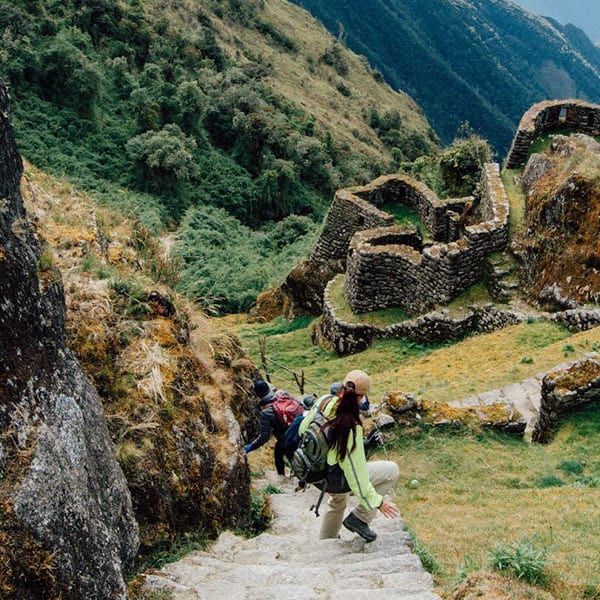
Considered one of the greatest treks in the world, you will follow a well-defined path under the care of expert guides. Over four days you’ll traverse high passes and explore mist-shrouded ruins. You’ll descend into verdant valleys in the shadow of dramatic mountain ranges and camp under the stars.
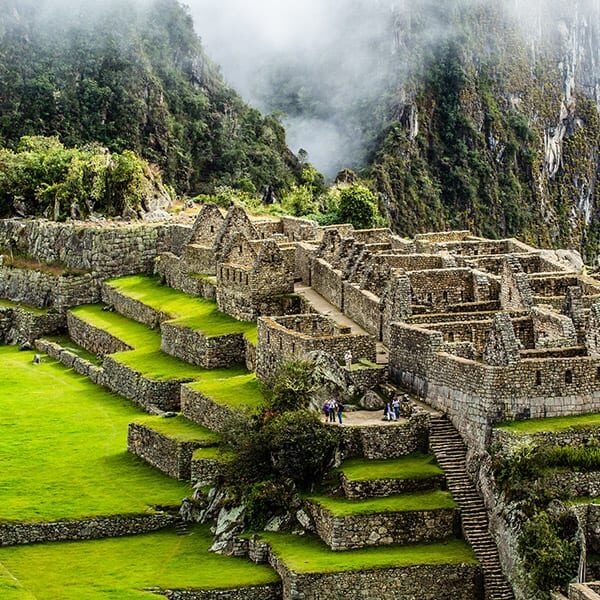
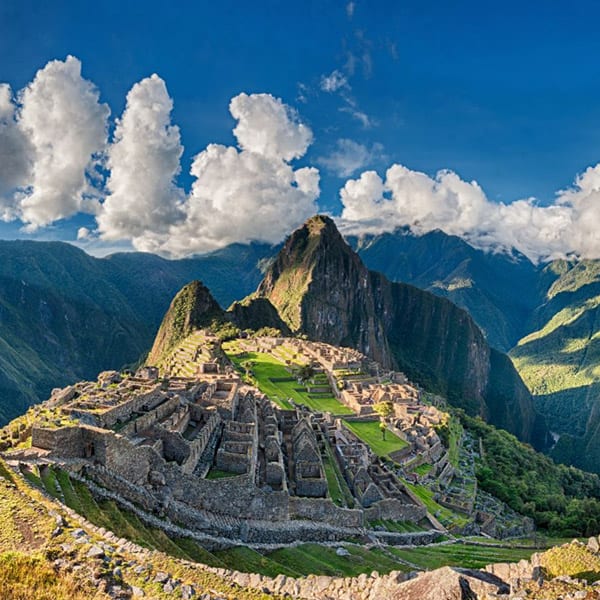
Concluding at Machu Picchu, you’ll experience the majesty and mysticism of the ‘Lost City of the Incas’ and bask in its enigmatic grandeur.
Why you'll love this adventure
- Trek for four days along the legendary Inca Trail, witnessing the glorious valleys and spectacular views of these mystical lands
- Explore ancient ruins, walk the cobbled streets of Cusco, marvel at stunning valley vistas and camp in the shadow of the Andres
- Discover Machu Picchu- ‘the lost city of the Incas’- and experience the mysticism of the Sacred Valley, the heartland of the Inca Empire
- Make friendships to last a lifetime as you share this adventure with like-minded people
Trip notes
Day 1: Arrive in Cusco
Upon arrival in Cusco, please make your way to the hotel*. This afternoon, we will meet our fellow team members and our guide for a team briefing before we enjoy our first team dinner together.
*There will be two group transfers that are based on the most common arrival times of the team.
Accommodation: 3-star hotel
Meals: D
Day 2: Cusco Acclimatisation Day - City Tour
This morning we will visit Cusco - the Imperial City. It is a living example of the mix of Andean and Spanish culture. We start the tour at the Convent of Santo Domingo built over the Koricancha, which was the Ancient Inca Palace and the main worship center of the Sun God. You are given plenty of time to enjoy these incredible sites. From there we visit the archaeological site of Sacsayhuaman with its impressive Inca architecture, which dominates the city. Finally, we explore the archaeological sites of Q’enqo, Pucapucara and Tambomachay, which are located in the northeast section of the city. You will return to your hotel in Cusco in the early afternoon. Enjoy the rest of the day at your own leisure.
*A Boleto Turístico, a tourist ticket to visit archeological sites in the Cusco region, is not included. You can purchase this on the day for approx. 70 Soles (~US$25). Entrance to Qoricancha is an additional 10 Soles pp.
Accommodation: 3-star hotel
Meals: B
Day 3: Cusco to Wayllabamba
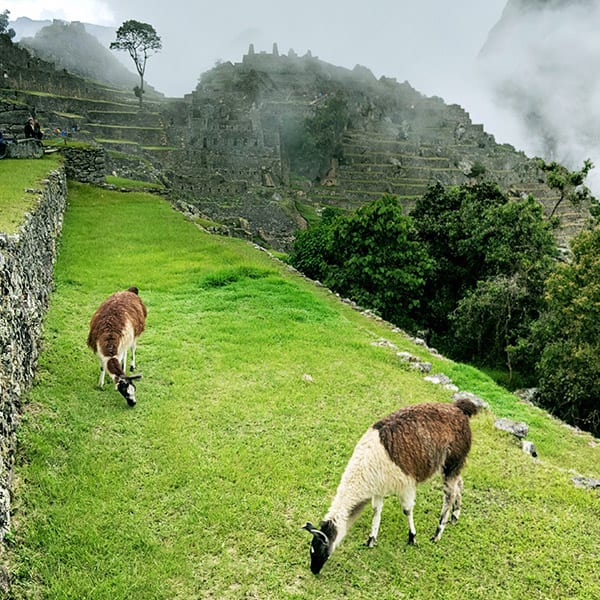
The first day of the trek is relatively easy and serves as training for the days to follow. Our Inca Trail journey begins early as we depart Cusco (3,399m) and travel to Km 82, the official starting point of the trek. After crossing the Vilcanota River, the trail gradually climbs past small villages and offers sweeping views of the Urubamba Range and the snow-capped peak of Veronica. Along the way, we’ll see the impressive agricultural terraces of Llactapata, once used to supply Machu Picchu. The trek continues gently beside the Cusichaca River before arriving at the village of Wayllabamba (3,000m), where camp is set up for the night.
Accommodation: Camping
Trekking distance: 12 km (6-7 hours)
Meals: B L D
Day 4: Wayllabamba to Pacamayo
Today is one of the most challenging yet rewarding sections of the trail. Climb steadily through woodland and into lush cloud forest, passing waterfalls and reaching the high meadow of Llulluchapampa. From here, the ascent becomes steeper as we tackle the trail to Abra de Huarmihuañusca (Dead Woman’s Pass), the highest point of the Inca Trail at 4,200m. After celebrating our achievement, we descend into the Pacamayo Valley, taking in sweeping Andean scenery before settling into camp at Pacamayo (3,600m) for the night.
Accommodation: Camping
Trekking distance: 12 km (7-8 hours)
Meals: B L D
Day 5: Pacamayo to Wiñay Wayna
Today we begin with a climb to the circular ruins of Runkuracay before reaching the second high pass at 4,000m. From here the original Inca Trail becomes more evident, winding along stone pathways and dramatic ridgelines. We descend to the beautifully positioned ruins of Sayacmarca, then continue through lush cloud forest, an Inca tunnel carved into the rock, and up to the third pass. Visit the impressive site of Phuyupatamarca (‘Town in the Clouds’) at 3,600m before descending a long series of stone steps into the valley. After a final walk through forest, we arrive at Wiñay Wayna (2,650m), the last campsite and home to stunning terraces and ritual baths.
Accommodation: Camping
Trekking distance: 16 km (10-11 hours)
Meals: B L D
Day 6: Wiñay Wayna / Phuyupatamarka to Machu Picchu - return to Cusco
We set off before dawn around 5.30 am for the final section of the trail, contouring the mountainside toward Intipunku, the Sun Gate (2,745m). As the light breaks, experience the unforgettable first view of Machu Picchu (2,430m) spread out below. When we arrive at the ruins we will have plenty of time to take photos of Machu Picchu from the classic view point. After descending to the entrance, we enjoy a guided tour through the major sectors of the citadel with time afterwards to explore independently. We then travel by bus to Aguas Calientes (2,040m) for lunch, and, if you wish, a soothing visit to the thermal springs before boarding the train back to Ollantaytambo (2,792m) and continuing by bus to Cusco for a celebratory final dinner, concluding our amazing Inca Trail adventure together.
Accommodation: 3-star hotel
Trekking distance: 5 km (2-3 hours)
Meals: B D
Day 7: Depart Cusco
This morning, feel free to further explore Cusco. You will be transferred back to the airport for your flight home*.
*There will be two group transfers that are based on the most common departure times of the team.
Meals: B
Day 1: Arrive in Cusco
Upon arrival in Cusco, please make your way to the hotel*. This afternoon, we will meet our fellow team members and our guide for a team briefing before we enjoy our first team dinner together.
*There will be two group transfers that are based on the most common arrival times of the team.
Accommodation: 3-star hotel
Meals: D
Day 2: Cusco Acclimatisation Day - City Tour
This morning we will visit Cusco - the Imperial City. It is a living example of the mix of Andean and Spanish culture. We start the tour at the Convent of Santo Domingo built over the Koricancha, which was the Ancient Inca Palace and the main worship center of the Sun God. You are given plenty of time to enjoy these incredible sites. From there we visit the archaeological site of Sacsayhuaman with its impressive Inca architecture, which dominates the city. Finally, we explore the archaeological sites of Q’enqo, Pucapucara and Tambomachay, which are located in the northeast section of the city. You will return to your hotel in Cusco in the early afternoon. Enjoy the rest of the day at your own leisure.
*A Boleto Turístico, a tourist ticket to visit archeological sites in the Cusco region, is not included. You can purchase this on the day for approx. 70 Soles (~US$25). Entrance to Qoricancha is an additional 10 Soles pp.
Accommodation: 3-star hotel
Meals: B
Day 3: Cusco to Wayllabamba
The first day of the trek is relatively easy and serves as training for the days to follow. Our Inca Trail journey begins early as we depart Cusco (3,399m) and travel to Km 82, the official starting point of the trek. After crossing the Vilcanota River, the trail gradually climbs past small villages and offers sweeping views of the Urubamba Range and the snow-capped peak of Veronica. Along the way, we’ll see the impressive agricultural terraces of Llactapata, once used to supply Machu Picchu. The trek continues gently beside the Cusichaca River before arriving at the village of Wayllabamba (3,000m), where camp is set up for the night.
Accommodation: Camping
Trekking distance: 12 km (6-7 hours)
Meals: B L D
Day 4: Wayllabamba to Pacamayo
Today is one of the most challenging yet rewarding sections of the trail. Climb steadily through woodland and into lush cloud forest, passing waterfalls and reaching the high meadow of Llulluchapampa. From here, the ascent becomes steeper as we tackle the trail to Abra de Huarmihuañusca (Dead Woman’s Pass), the highest point of the Inca Trail at 4,200m. After celebrating our achievement, we descend into the Pacamayo Valley, taking in sweeping Andean scenery before settling into camp at Pacamayo (3,600m) for the night.
Accommodation: Camping
Trekking distance: 12 km (7-8 hours)
Meals: B L D
Day 5: Pacamayo to Wiñay Wayna
Today we begin with a climb to the circular ruins of Runkuracay before reaching the second high pass at 4,000m. From here the original Inca Trail becomes more evident, winding along stone pathways and dramatic ridgelines. We descend to the beautifully positioned ruins of Sayacmarca, then continue through lush cloud forest, an Inca tunnel carved into the rock, and up to the third pass. Visit the impressive site of Phuyupatamarca (‘Town in the Clouds’) at 3,600m before descending a long series of stone steps into the valley. After a final walk through forest, we arrive at Wiñay Wayna (2,650m), the last campsite and home to stunning terraces and ritual baths.
Accommodation: Camping
Trekking distance: 16 km (10-11 hours)
Meals: B L D
Day 6: Wiñay Wayna / Phuyupatamarka to Machu Picchu - return to Cusco
We set off before dawn around 5.30 am for the final section of the trail, contouring the mountainside toward Intipunku, the Sun Gate (2,745m). As the light breaks, experience the unforgettable first view of Machu Picchu (2,430m) spread out below. When we arrive at the ruins we will have plenty of time to take photos of Machu Picchu from the classic view point. After descending to the entrance, we enjoy a guided tour through the major sectors of the citadel with time afterwards to explore independently. We then travel by bus to Aguas Calientes (2,040m) for lunch, and, if you wish, a soothing visit to the thermal springs before boarding the train back to Ollantaytambo (2,792m) and continuing by bus to Cusco for a celebratory final dinner, concluding our amazing Inca Trail adventure together.
Accommodation: 3-star hotel
Trekking distance: 5 km (2-3 hours)
Meals: B D
Day 7: Depart Cusco
This morning, feel free to further explore Cusco. You will be transferred back to the airport for your flight home*.
*There will be two group transfers that are based on the most common departure times of the team.
Meals: B
Frequently asked questions
Can't find the answer to your question? Get in touch via email (info@inspiredadventure.com.au
About the adventure
How challenging is this adventure?
This adventure is ranked 4/5. While no trekking experience is required prior to registering, our adventures are specifically designed for people who are relatively fit and willing to train, and this trek is at altitude, which adds an additional challenge. The Inca Trail trek is a physical challenge, and the fitter you are, the more you will enjoy the experience. The Inca Trail does not require any technical climbing skills however it is essential that you prepare for this challenge, particularly with walking and stair/hill training.
The challenge involves trekking for consecutive days (anywhere from 10 - 18 kilometres a day) along well defined but uneven and unsealed terrain. The altitude will exceed 4,000 metres above sea level at certain points. You will be expected to carry a daypack, weighing 5–7 kilograms, containing basic items needed throughout the day.
Can I join an Inspired Adventure on my own?
Of course, most people do! Throughout your adventure journey, we will connect you with your fellow adventurers so you can get to know each other before you hit the road.
Who will I be travelling with?
Our average group size at Inspired Adventures ranges from 10 to 20 people. You can be sure that you have all come together with the shared purpose of making a difference to others and having the adventure of a lifetime.
The group will be led by a local tour guide with expert knowledge of the region. Many groups will also be accompanied by an Inspired Adventures team leader or doctor to support and motivate the team.
Where applicable, a charity representative may also join the team. This is a wonderful opportunity to learn more about your chosen charity and their work.
What is the general age range of participants?
The minimum age for this adventure is 18, however younger ages are considered on application. We have had participants aged 16–84 take part in our challenges, all united by their sense of philanthropy and adventure.
Fitness and training
How do I train for this adventure?
We will provide you with basic information on how to prepare for your adventure when you register. We recommend that you consult your GP and a personal trainer to develop a training plan that will prepare you for the challenge.
It is sensible to start training as early as possible before you go on your trek. As part of your training, we recommend making use of your weekends to complete a full day hike and if possible, two day hike. You should aim to be able to walk in hilly terrain for 6-8 hours and get up to do it again the following day comfortably. Conventional exercise routines which build strength, fitness and stamina, such as aerobics and light weight training can be beneficial, particularly if your fitness level is less than ideal.
Will I get altitude sickness?
Cusco city sits at 3,399m above sea level, and is considered one of the highest cities in the world. You may notice symptoms of altitude sickness while you’re in Cusco, such as a headache or difficulty sleeping. We suggest you take it slow, keep well hydrated, and allow your body time to adjust. You can expect your symptoms to lessen as you acclimatise.
The altitude on the Inca Trail will exceed 4,000 metres above sea level at certain points. Machu Picchu sits at 2,800m above sea level. Altitude sickness can affect anyone at heights over 2,500 metres, regardless of fitness. Symptoms of altitude sickness include headaches, loss of appetite, periods of sleeplessness and occasional shortness of breath. Most people will experience mild to moderate symptoms on some or all days on the trail but people generally find the symptoms tolerable.
The better prepared you are, the more likely you will enjoy the experience and your body will be able to deal with the rigours of adapting to high altitudes. Staying hydrated and healthy on the trek is paramount. It is a good idea to advise your GP you are trekking at altitude.
Accommodation
What is the accommodation like?
You will stay in twin-share 3-star hotels and at comfortable campsites for the duration of your adventure. The hotels in Peru are good quality and very comfortable, however they aren’t always the same standard as they are in Australia and New Zealand so it is best to prepare your expectations a little.
On the Inca Trail, we will be in comfortable campsites in twin-share tents. All the gear will be carried for you by the porters (7kg limit per person), who will run on ahead of you so when you arrive in the late afternoon, the campsite will be set up for you already.
Will I be sharing accommodation?
Accommodation on this adventure is based on twin-share. You will be paired with a teammate of the same gender and, whenever possible, age group. Single rooms are available at an additional cost and subject to availability.
I’m travelling with a friend, can we stay together?
If you’re travelling with a friend, please make note of this and we will pair you together.
What to expect
What are the toilets like?
Most hotels will have modern amenities with toilet paper provided. While trekking, toilets will be available at most campsites, however you will need to use the bush at times. The available toilets are likely to be squat style with no toilet paper. We recommend that you carry toilet paper and hand sanitiser in your daypack. If your toilet is non-flushing, please place used toilet paper in the bin provided.
Are showers available?
Showers are not available along the trek, although it may be possible to use a paid shower as we get closer to the end of the trek. Bowls of hot water will be supplied morning and night at the camp, and clean water to wash your hands will be available at all mealtimes. Wet wipes are also useful for freshening up.
What is the food like?
A blend of Spanish, African and Asian influences, one of the highlights of your trip to Peru will be experiencing the unique and delicious cuisine. Cusco has a range of eateries, from world-class restaurants to local, curbside stalls. Be sure to try the famous Peruvian dishes, including ceviche (fresh raw fish cured in citrus juices and spices), anticuchos (marinated beef heart barbecued on skewers), and picarones (deep-fried sweet potato or squash, finished with sugar and honey syrup).
Despite the challenges of preparing food on the trail, you’ll be amazed at what the group chefs will produce for you. A typical day will start with a hot tea served to your tent, followed by a hot breakfast. A buffet of snacks will be available to add to your day pack for the day ahead. Lunch is usually a heart warming soup and main course, such as rice or potatoes served with chicken or beef. At the end of the day, you’ll enjoy a delicious, home-cooked three-course meal showcasing the very best of Peruvian cuisine.
I have dietary requirements, will I be catered for?
Of course, we will happily arrange for any dietary requirements you’ve noted during booking to be catered for. Please advise your local guide on Day 1 as well. You’re free to bring snacks such as protein balls, lollies, gluten free or vegan treats with you. You will be fed very well while you’re on the adventure, but if you have a very specific dietary requirement or severe allergies, often it’s best to pack some extra things as back-up.
Will I have mobile phone reception?
Be prepared to disconnect for a few days on the trail! While trekking, there will be intermittent access to phone reception, however there will be extended times with no signal at all.
Will I have access to electricity?
There will be no access to power outlets while trekking, so bring battery chargers or double batteries. Ensure that you turn off your phone when not in use to conserve energy. In the hotel there will be powerpoints, so remember to bring an adaptor with you. Peru uses a standard 220V 60Hz, and a mixture of flat 2-pin or round 2-pin plugs. We recommend that you bring a universal adapter.
What do I need to pack?
You will be sent a comprehensive packing list after you register for the adventure with everything you need to consider.
What happens if there is a medical emergency?
Providing the safest possible environment is our highest priority and we have an outstanding safety record. All Inspired Adventures guides and Team Leaders are first aid trained. Our guides carry satellite phones to be used if further assistance is required.
Costs and payments
What’s included in the travel cost?
Package inclusions vary from trip to trip so please refer to the specific trip notes for details. Generally, the travel cost includes:
- Transfers as per itinerary
- Accommodation in 3-star hotels and camping based on twin-share
- Meals as per itinerary
- Water on trekking days
- Local English-speaking guide
- Porter service (7 kg pp)
- Camping equipment, incl. sleeping bag, tent, foam mattress
- Inca Trail fees
- Entrance fees to Machu Picchu
What’s not included in the travel cost?
Package exclusions vary from trip to trip so please refer to the specific trip notes for details. Generally, the travel cost does not include:
- Airfares
- Travel insurance (compulsory)
- Visas
- Soft drinks and alcoholic beverages
- Entrance to Archeological sites on Cusco city tour
- Personal expenses
- Tips and gratuities
Is the travel cost guaranteed?
We will do our best to keep the travel costs as quoted. However, please bear in mind they can change due to group size, currency fluctuations or factors out of our control. If absolutely necessary, Inspired Travel may have to add on an additional supplement fee should the current social distancing measures continue. This fee would be required if our operator needs to add on additional vehicles, equipment and/or staff.
Why do I need to pay a registration fee?
Upon registration, you will be required to pay a registration fee to secure your spot on the team. From the minute you register until you return from your adventure, the team at Inspired Adventures will provide you with everything you need - from a bespoke fundraising plan, fitness advice and travel preparations. You will receive access to your online adventure portal complete with your own online fundraising page and lots of resources to help you along the way. Your registration fee goes towards our cost of managing the adventure and supporting you on your journey.
Travel insurance and visas
Do I need to have travel insurance?
Travel insurance is compulsory for international adventures to cover cancellation, hospital, emergency evacuation and lost luggage. We recommend purchasing your policy as soon as possible. It is up to you to ensure you have fully comprehensive travel insurance and you will need to share these details with our team before departure. For more information, please visit www.inspiredadventures.com.au/travel-insurance-information.
Do I need a visa to travel to Peru?
Australian and New Zealand passport holders do not require a visa for entry into Peru. See Smartraveller for the most current information. If you are travelling on a different passport or for further information, please contact the relevant embassy.
About Peru
What weather can I expect?
Peru has two very distinct seasons: wet and dry. November to April is considered to be the wet season in Cusco, whereas June to October is considered to be the driest season, and for some, the most popular time to visit. While Peru’s weather is fine for travelling during any season, it can be unpredictable. Please check local weather forecasts prior to departure for more up-to-date information.
Keep in mind that while trekking, the temperature will vary greatly and will usually drop as you climb in altitude.
Can I drink the water in Peru?
Do not drink the tap water in Peru. Tap water is safe to drink only after boiled. Purified bottled water is available everywhere in major cities, and is generally quite cheap.
About the adventure
How challenging is this adventure?
This adventure is ranked 4/5. While no trekking experience is required prior to registering, our adventures are specifically designed for people who are relatively fit and willing to train, and this trek is at altitude, which adds an additional challenge. The Inca Trail trek is a physical challenge, and the fitter you are, the more you will enjoy the experience. The Inca Trail does not require any technical climbing skills however it is essential that you prepare for this challenge, particularly with walking and stair/hill training.
The challenge involves trekking for consecutive days (anywhere from 10 - 18 kilometres a day) along well defined but uneven and unsealed terrain. The altitude will exceed 4,000 metres above sea level at certain points. You will be expected to carry a daypack, weighing 5–7 kilograms, containing basic items needed throughout the day.
Can I join an Inspired Adventure on my own?
Of course, most people do! Throughout your adventure journey, we will connect you with your fellow adventurers so you can get to know each other before you hit the road.
Who will I be travelling with?
Our average group size at Inspired Adventures ranges from 10 to 20 people. You can be sure that you have all come together with the shared purpose of making a difference to others and having the adventure of a lifetime.
The group will be led by a local tour guide with expert knowledge of the region. Many groups will also be accompanied by an Inspired Adventures team leader or doctor to support and motivate the team.
Where applicable, a charity representative may also join the team. This is a wonderful opportunity to learn more about your chosen charity and their work.
What is the general age range of participants?
The minimum age for this adventure is 18, however younger ages are considered on application. We have had participants aged 16–84 take part in our challenges, all united by their sense of philanthropy and adventure.
Fitness and Training
How do I train for this adventure?
We will provide you with basic information on how to prepare for your adventure when you register. We recommend that you consult your GP and a personal trainer to develop a training plan that will prepare you for the challenge.
It is sensible to start training as early as possible before you go on your trek. As part of your training, we recommend making use of your weekends to complete a full day hike and if possible, two day hike. You should aim to be able to walk in hilly terrain for 6-8 hours and get up to do it again the following day comfortably. Conventional exercise routines which build strength, fitness and stamina, such as aerobics and light weight training can be beneficial, particularly if your fitness level is less than ideal.
Will I get altitude sickness?
Cusco city sits at 3,399m above sea level, and is considered one of the highest cities in the world. You may notice symptoms of altitude sickness while you’re in Cusco, such as a headache or difficulty sleeping. We suggest you take it slow, keep well hydrated, and allow your body time to adjust. You can expect your symptoms to lessen as you acclimatise.
The altitude on the Inca Trail will exceed 4,000 metres above sea level at certain points. Machu Picchu sits at 2,800m above sea level. Altitude sickness can affect anyone at heights over 2,500 metres, regardless of fitness. Symptoms of altitude sickness include headaches, loss of appetite, periods of sleeplessness and occasional shortness of breath. Most people will experience mild to moderate symptoms on some or all days on the trail but people generally find the symptoms tolerable.
The better prepared you are, the more likely you will enjoy the experience and your body will be able to deal with the rigours of adapting to high altitudes. Staying hydrated and healthy on the trek is paramount. It is a good idea to advise your GP you are trekking at altitude.
Accommodation
What is the accommodation like?
You will stay in twin-share 3-star hotels and at comfortable campsites for the duration of your adventure. The hotels in Peru are good quality and very comfortable, however they aren’t always the same standard as they are in Australia and New Zealand so it is best to prepare your expectations a little.
On the Inca Trail, we will be in comfortable campsites in twin-share tents. All the gear will be carried for you by the porters (7kg limit per person), who will run on ahead of you so when you arrive in the late afternoon, the campsite will be set up for you already.
Will I be sharing accommodation?
Accommodation on this adventure is based on twin-share. You will be paired with a teammate of the same gender and, whenever possible, age group. Single rooms are available at an additional cost and subject to availability.
I’m travelling with a friend, can we stay together?
If you’re travelling with a friend, please make note of this and we will pair you together.
What to expect
What are the toilets like?
Most hotels will have modern amenities with toilet paper provided. While trekking, toilets will be available at most campsites, however you will need to use the bush at times. The available toilets are likely to be squat style with no toilet paper. We recommend that you carry toilet paper and hand sanitiser in your daypack. If your toilet is non-flushing, please place used toilet paper in the bin provided.
Are showers available?
Showers are not available along the trek, although it may be possible to use a paid shower as we get closer to the end of the trek. Bowls of hot water will be supplied morning and night at the camp, and clean water to wash your hands will be available at all mealtimes. Wet wipes are also useful for freshening up.
What is the food like?
A blend of Spanish, African and Asian influences, one of the highlights of your trip to Peru will be experiencing the unique and delicious cuisine. Cusco has a range of eateries, from world-class restaurants to local, curbside stalls. Be sure to try the famous Peruvian dishes, including ceviche (fresh raw fish cured in citrus juices and spices), anticuchos (marinated beef heart barbecued on skewers), and picarones (deep-fried sweet potato or squash, finished with sugar and honey syrup).
Despite the challenges of preparing food on the trail, you’ll be amazed at what the group chefs will produce for you. A typical day will start with a hot tea served to your tent, followed by a hot breakfast. A buffet of snacks will be available to add to your day pack for the day ahead. Lunch is usually a heart warming soup and main course, such as rice or potatoes served with chicken or beef. At the end of the day, you’ll enjoy a delicious, home-cooked three-course meal showcasing the very best of Peruvian cuisine.
I have dietary requirements, will I be catered for?
Of course, we will happily arrange for any dietary requirements you’ve noted during booking to be catered for. Please advise your local guide and Team Leader on Day 1 as well. You’re free to bring snacks such as protein balls, lollies, gluten free or vegan treats with you. You will be fed very well while you’re on the adventure, but if you have a very specific dietary requirement or severe allergies, often it’s best to pack some extra things as back-up.
Will I have mobile phone reception?
Be prepared to disconnect for a few days on the trail! While trekking, there will be intermittent access to phone reception, however there will be extended times with no signal at all.
Will I have access to electricity?
There will be no access to power outlets while trekking, so bring battery chargers or double batteries. Ensure that you turn off your phone when not in use to conserve energy. In the hotel there will be powerpoints, so remember to bring an adaptor with you. Peru uses a standard 220V 60Hz, and a mixture of flat 2-pin or round 2-pin plugs. We recommend that you bring a universal adapter.
What do I need to pack?
You will be sent a comprehensive packing list after you register for the adventure with everything you need to consider.
What happens if there is a medical emergency?
Providing the safest possible environment is our highest priority and we have an outstanding safety record. All Inspired Adventures guides and Team Leaders are first aid trained. Our guides carry satellite phones to be used if further assistance is required.
Costs and payments
What’s included in the travel cost?
Package inclusions vary from trip to trip so please refer to the specific trip notes for details. Generally, the travel cost includes:
- Transfers as per itinerary
- Accommodation in 3-star hotels and camping based on twin-share
- Meals as per itinerary
- Water on trekking days
- Local English-speaking guide
- Porter service (7 kg pp)
- Camping equipment, incl. sleeping bag, tent, foam mattress
- Inca Trail fees
- Entrance fees to Machu Picchu
What’s not included in the travel cost?
Package exclusions vary from trip to trip so please refer to the specific trip notes for details. Generally, the travel cost does not include:
- Airfares
- Travel insurance (compulsory)
- Visas
- Soft drinks and alcoholic beverages
- Entrance to Archeological sites on Cusco city tour
- Personal expenses
- Tips and gratuities
Is the travel cost guaranteed?
We will do our best to keep the travel costs as quoted. However, please bear in mind they can change due to group size, currency fluctuations or factors out of our control. If absolutely necessary, Inspired Travel may have to add on an additional supplement fee should the current social distancing measures continue. This fee would be required if our operator needs to add on additional vehicles, equipment and/or staff.
Why do I need to pay a registration fee?
Upon registration, you will be required to pay a registration fee to secure your spot on the team. From the minute you register until you return from your adventure, the team at Inspired Adventures will provide you with everything you need - from a bespoke fundraising plan, fitness advice and travel preparations. You will receive access to your online adventure portal complete with your own online fundraising page and lots of resources to help you along the way. Your registration fee goes towards our cost of managing the adventure and supporting you on your journey.
Travel insurance and visas
Do I need to have travel insurance?
Travel insurance is compulsory for international adventures to cover cancellation, hospital, emergency evacuation and lost luggage. We recommend purchasing your policy as soon as possible. It is up to you to ensure you have fully comprehensive travel insurance and you will need to share these details with our team before departure. For more information, please visit www.inspiredadventures.com.au/travel-insurance-information.
Do I need a visa to travel to Peru?
Australian and New Zealand passport holders do not require a visa for entry into Peru. See Smartraveller for the most current information. If you are travelling on a different passport or for further information, please contact the relevant embassy.
About Peru
What weather can I expect?
Peru has two very distinct seasons: wet and dry. November to April is considered to be the wet season in Cusco, whereas June to October is considered to be the driest season, and for some, the most popular time to visit. While Peru’s weather is fine for travelling during any season, it can be unpredictable. Please check local weather forecasts prior to departure for more up-to-date information.
Keep in mind that while trekking, the temperature will vary greatly and will usually drop as you climb in altitude.
Can I drink the water in Peru?
Do not drink the tap water in Peru. Tap water is safe to drink only after boiled. Purified bottled water is available everywhere in major cities, and is generally quite cheap.
All information is subject to change and will be confirmed upon your registration.
Reviews
Past adventurers rated their overall experience on the Inca Trail as 4.77 out of 5
★★★★★
“Walking the Inca Trail from beginning to end is an achievement and experience that I will always treasure.”
Cheryl Paul
★★★★★
“Mentally and spiritually exhilarating.”
Jacqueline Brown
★ ★ ★ ★ ★
“Such a mind-blowing experience.”
Pauline Matthews
★ ★ ★ ★ ★
“The highlight was definitely climbing the final stairs and then stepping through the Sun Gate for the first glimpse of Machu Picchu.”
Shelley Hillman

Responsible Travel
Caring for our adventurers, the communities we visit and the wellbeing of the planet is the heart of everything we do. This adventure is no exception.
Meaningful connections: Hear from Aranda Elders who will tell us about the history of the area.
Environment: We offset the emissions from this trip through carbon credit programs in partnership with Carbon Neutral.
Treading lightly: Trekking is a great, low-impact way to explore.
Small group travel: Our teams consist of a maximum of 25 people. Better for you, and better for the planet.
Responsible business: We’re a certified B-Corp, committed to using business as a force for good
Do you want to take your supporters on an adventure-of-a-lifetime?
Enquire today about an itinerary for your organisation.
Thank you!