Fast Facts
📍 Location: Kilimanjaro National Park, Tanzania
📅 Duration: 9 days total, including 7 trekking days
🥾 Trek Rating: 5/5 – demanding, high-altitude adventure
🎯 Goal: Raise funds for a cause close to your heart
🌍 Highlights: Rainforest trails, alpine desert, Mawenzi Peak views, volcanic landscapes, glacier summit, sunrise on Uhuru Peak
🕒 Last updated: December 2025
Embrace the Spirit of Africa’s Highest Mountain
Mount Kilimanjaro is one of the world’s most iconic trekking challenges - a journey that leads you through lush forest, high moorlands, and stark alpine desert before delivering you to the snow-covered summit at 5,895 metres. Over seven unforgettable days, you’ll push beyond your comfort zone, experience dramatic shifts in climate and landscape, and rely on teamwork, determination, and a steady, patient pace to reach the top. It is both a physical and emotional challenge, and one that rewards you with extraordinary views, deep personal achievement, and a profound sense of purpose as you raise funds for a cause that matters.
The Trekking Experience
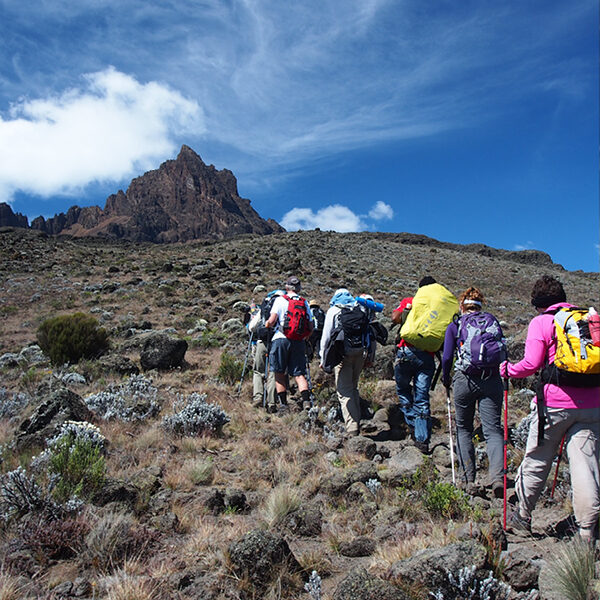
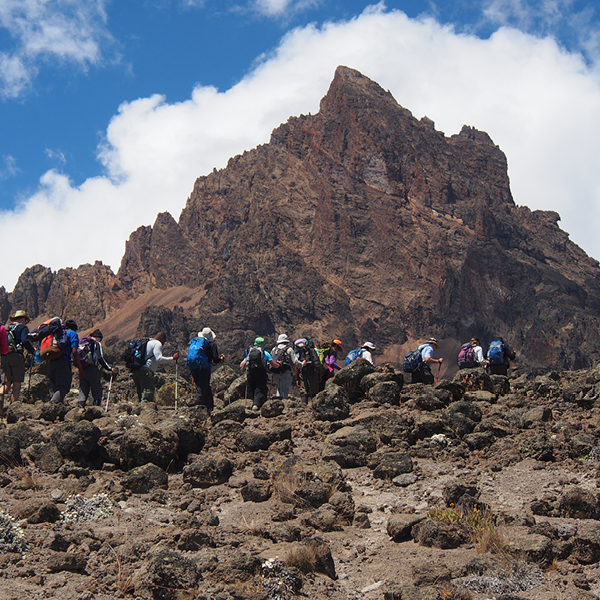
Climbing Kilimanjaro is a true test of endurance. Each day takes you through a different environment - from dense rainforest alive with birds and monkeys to windswept ridges overlooking the rugged volcanic slopes of Mawenzi. Trekking days typically range from five to eight hours, with gradual altitude gains allowing your body to acclimatise. The trails vary from well-defined forest paths to rocky, uneven ground and dusty alpine desert where the air becomes noticeably thinner.
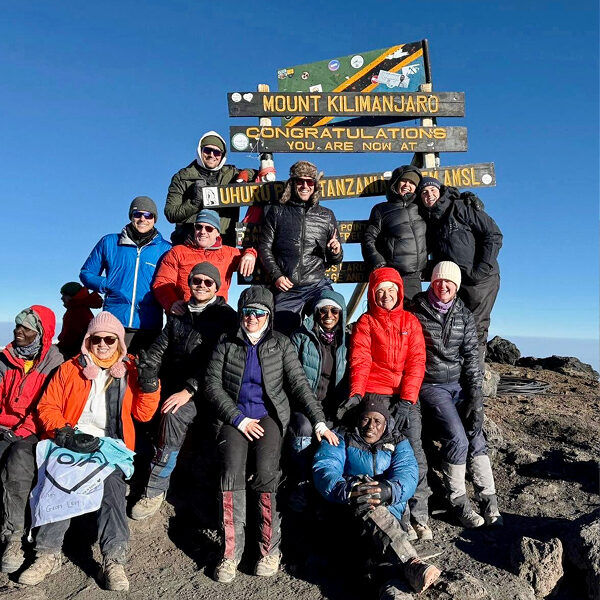
The most demanding part of the expedition is the summit attempt. After an early dinner at Kibo Huts, you’ll settle into your tent for just a few hours before waking around 11 pm for a midnight departure. Climbing through the cold, silent night, with your headlamp lighting the trail and the distant peaks silhouetted under the stars, is an experience unlike any other. The final approach is steep and slow, but as dawn breaks near the crater rim, the rising sun paints the landscape gold and the summit push becomes deeply emotional. Reaching Uhuru Peak is a moment of triumph that will stay with you forever.
Weather
Kilimanjaro rises high above the plains of Tanzania, creating its own climate system. At lower altitudes, the air is warm and humid, especially in the rainforest zone where rain showers are common. As you climb higher, temperatures cool significantly, and you may encounter strong winds, dust, or intense sunlight depending on the zone. Nights become increasingly cold, and in the alpine desert and summit areas, temperatures often fall below freezing.
The contrast between warm trekking days and icy summit conditions makes layering essential. The summit night is particularly cold, with biting winds and dry, thin air. Despite the challenging conditions, watching sunrise from above the clouds is one of the defining highlights of the entire adventure.
Terrain
The terrain on Kilimanjaro is varied and ever-changing. The first days lead you through soft earth and roots in the forest before the trail opens into grassy moorland dotted with unique plants. Higher up, the ground becomes rocky and uneven, with stretches of loose scree and volcanic dust. As you approach the saddle - the wide, desert-like plain between Mawenzi and Kibo - the landscape becomes vast and almost lunar in appearance.
The final ascent is a steep series of switchbacks carved into the rocky slope of Kibo. It is slow-going due to altitude, but with careful pacing and steady footwork, you’ll reach the crater rim and make the final push to the summit.

Preparation and Training Tips
To take on Kilimanjaro with confidence, begin training several months ahead. Focus on building cardiovascular fitness through long walks, hill climbs, and stair sessions, gradually increasing the load in your daypack to mirror what you’ll carry on the mountain. Strength training for your legs and core will help with stability and endurance on uneven terrain.
Just as important as physical fitness is mental preparation. Summit night in particular requires determination and steady pacing. Remember the mountain mantra “pole pole” - slowly, slowly. Listening to your guides, staying hydrated, and allowing yourself to acclimatise will make your ascent safer and more enjoyable.
Accommodation
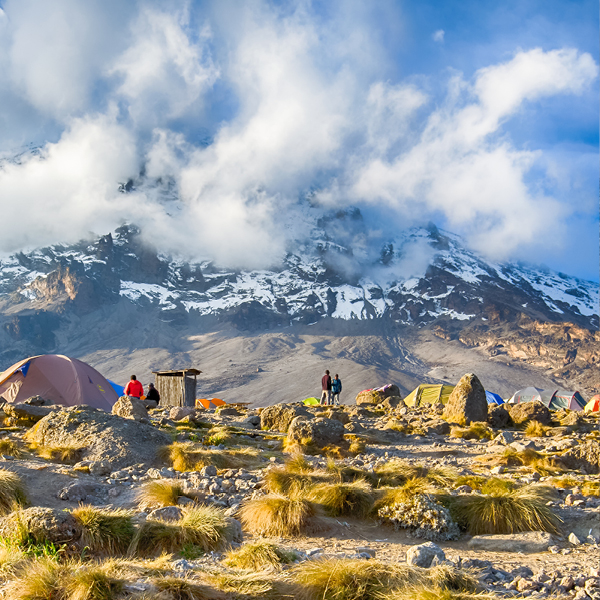
Your adventure begins and ends in Moshi, where you’ll stay in a comfortable lodge. This is your chance to rest, repack, and meet your guides and fellow trekkers. Once on the mountain, accommodation is in twin-share expedition tents, set up by your dedicated porter team each day. A communal dining tent becomes the heart of camp, where hot meals are served and the group gathers for briefings and camaraderie.
Facilities on the mountain are basic, with limited washing water and simple toilet tents. There is no access to electricity, so a fully charged powerbank is essential for keeping your camera or phone topped up. Despite the simplicity, camping on Kilimanjaro brings a sense of connection to nature and to the adventure itself — evenings are peaceful, skies are bright with stars, and the quiet of the mountain is a welcome break from daily life.
Food
Your trekking crew keeps you well-fuelled with hearty, nourishing meals:
Breakfast
- Porridge
- Eggs and toast
- Fruit
- Tea and coffee
Lunch
- Packed lunches on some days
- Hot meals at camp on others
Dinner
- Soups
- Rice, pasta, potato dishes
- Stews, vegetables, curries
Snacks available throughout the day
- Nuts
- Energy bars
- Biscuits and treats
Dietary requirements are catered for, but personal snacks are highly recommended - especially on summit night.
Packing Tips
Packing well for Kilimanjaro can make a huge difference in your comfort. A good-quality daypack with supportive straps is vital, as you’ll carry your water, layers, and personal items each day. Because conditions shift from warm to freezing, versatile layers are key - moisture-wicking clothing for the lower mountain, insulating layers such as fleece or down for higher altitudes, and waterproof outer layers for wind and rain.
Footwear should be well-worn waterproof hiking boots paired with comfortable socks to reduce the risk of blisters. A warm sleeping bag rated to around –10°C is essential for cold nights. Trekking poles are highly recommended, especially for descending steep sections. Finally, bring a reliable headtorch for the summit climb, along with spare batteries, sunscreen, sunglasses, wet wipes, and a powerbank to keep devices charged.
Testimonials from Mount Kilimanjaro
“I will never forget the massive high I experienced as we passed Gillman’s Peak towards the summit of Mt Kilimanjaro!” - Participant
“The highlight was definitely the local people, and the group making it to the top.” - Participant
“The hardest yet most rewarding thing I have ever done.” - Participant
“Everything was great and well organised. Being prepared for summit night was a must. I wouldn’t have made it without all the prior information and preparation from Inspired.”
Ready to Take the Next Step?
If reading this has sparked a fire in you - that pull toward the unknown, the challenge, the triumph - then perhaps it’s time to answer it. Our Mount Kilimanjaro adventures are designed for everyday people with extraordinary spirit, offering a chance to push your limits, experience one of the world’s most iconic treks, and make a meaningful impact along the way. Whether you’re chasing a personal milestone, seeking a life-changing journey, or hoping to fundraise for a cause close to your heart, Kilimanjaro is a summit that reshapes you long after you’ve returned home.
If you’re interested in joining one of our upcoming expeditions, we’d love to guide you to the Roof of Africa. Reach out, explore our itineraries, and take the first step toward your own unforgettable adventure. The mountain is waiting - are you ready?
Liked this article? Here's some more you might like: